Sustainable Solutions: How E-Waste Recycling Services Are Saving Our Planet
Electronic waste presents serious dangers to the environment, as discarded electronics often contain toxic materials. Such dangerous compounds can pollute soil and water supplies, leading to broader ecological damage. E-waste recycling services present a viable solution. They successfully retrieve useful resources while simultaneously minimizing environmental pollution. Gaining insight into how these programs function and affect local communities is critical. The path to successful electronic waste management prompts vital discussions about personal accountability and communal efforts. What actions should be considered going forward?
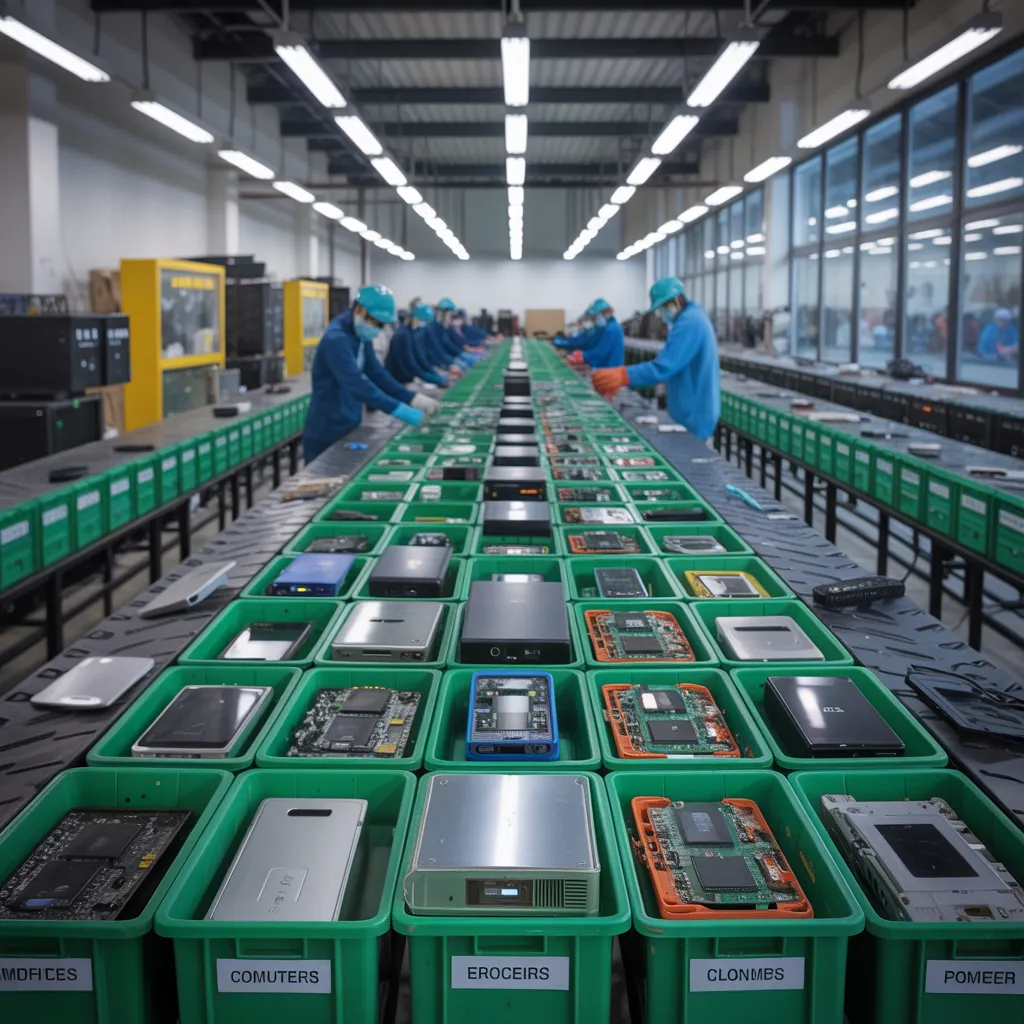
Why E-Waste Is Bad for the Planet
Even though technological advancements improve modern life, electronic waste presents considerable environmental hazards. Abandoned electronic gadgets, frequently composed of toxic substances including lead, mercury, and cadmium, may release harmful substances into groundwater and soil, posing risks to both wildlife and human well-being. The swift progression of technology results in greater consumer replacement of electronic devices, worsening the buildup of discarded electronic materials.
Landfills, already burdened with waste, struggle to accommodate the growing volumes of discarded gadgets. Burning, an alternative disposal approach, discharges toxic contaminants into the air, worsening overall air quality. In addition, improper recycling practices can lead to the exportation of e-waste to developing countries, where laborers may dismantle devices without adequate safety measures, exposing themselves to dangerous substances. This cycle of neglect and improper handling underscores the urgent need for sustainable recycling solutions that can mitigate the adverse effects of e-waste on the planet.
What Is E-Waste and Its Importance?
Electronic waste, commonly known as e-waste, includes obsolete electronic products such as smartphones, computers, and televisions that have reached the end of their useful life. This rapidly expanding waste category is noteworthy due to its rapid accumulation, driven by technological advancements and consumer trends. As growing numbers of electronics become outdated, the toll on the environment grows more severe, with dangerous elements including lead, mercury, and cadmium threatening both ecosystems and public health.
The significance of tackling e-waste extends beyond minimizing these risks to recognizing the valuable resources it holds. Precious metals and rare earth elements can be recovered and reused, reducing the need for mining and conserving natural resources. Through a deeper awareness of e-waste and its consequences, both individuals and organizations can make well-informed choices regarding disposal and recycling, thereby supporting a more sustainable future. Proper management of e-waste is essential for fostering a circular economy and promoting environmental stewardship.
The Way E-Waste Recycling Functions
The recycling of e-waste encompasses a structured approach intended to extract beneficial components while limiting ecological damage. Initially, discarded electronics are retrieved and sent to dedicated processing centers. Upon arrival, the equipment is meticulously organized to separate hazardous components from recyclable materials.
Next, employees deconstruct the devices, recovering glass, metals, and plastics. This process is vital, as it enables the retrieval of precious metals like copper, gold, and silver, which are repurposed in new electronic products.
Next, the separated materials are handled via cutting-edge techniques, such as shredding and specialized chemical treatments, to prepare them for further use.
In the final step, the leftover dangerous materials are managed properly, following eco-friendly standards. This multi-step approach not only conserves resources but also mitigates the risks associated with unsafe e-waste handling, securing a more eco-conscious future for the consumption of electronics.
How E-Waste Recycling Benefits You and Your Community
Although it often goes unnoticed, the advantages of e-waste recycling reach well past personal use to meaningfully influence entire communities. By carefully processing electronic waste, individuals help foster a cleaner environment, reducing harmful substances that can leach into soil and water. This forward-thinking practice helps preserve local ecosystems and promotes public health.
In addition, e-waste recycling fosters workforce growth within communities. Community recycling operations commonly require workers for diverse activities, from collection to processing, consequently creating meaningful employment for local residents. This not only strengthens the regional economy but also inspires community dedication to sustainable efforts.
Furthermore, familiarity with e-waste recycling is capable of inspiring learning opportunities, encouraging residents to pursue greener alternatives. By taking part in e-waste recycling programs, individuals nurture a culture of sustainability, motivating others to join the movement. All things considered, the cumulative impact of these actions can result in a more resilient and environmentally responsible community.
How to Select an E-Waste Recycling Service
Selecting the most suitable e-waste recycling service is essential for guaranteeing that electronic refuse is processed with responsibility and sustainability. To begin, consumers should confirm the service's credentials, such as R2 or e-Stewards, which signify conformance to professional guidelines for secure waste disposal procedures. Additionally, it is advisable to examine the provider's standing by reading customer reviews and obtaining recommendations from trusted sources.
Moreover, transparency in the recycling process is vital. A dependable service should supply straightforward details about the way e-waste is handled and what happens to the materials. Moreover, evaluating the range of services offered can be beneficial; some companies may provide pickup services or offer incentives for recycling.
In addition, understanding local guidelines related to e-waste disposal can help inform the evaluation process. By prioritizing these factors, individuals can contribute to successful electronic waste reduction while also advancing green and responsible behaviors.
How You Can Get Involved in E-Waste Recycling?
Getting involved with e-waste recycling often starts at the local level, where recycling centers frequently offer essential services for safe disposal. Furthermore, participating in community awareness campaigns can amplify efforts to inform others regarding the importance of ethical e-waste practices. Such efforts not only promote sustainability but also cultivate a collective sense of stewardship of the environment.
Local Recycling Centers
Several neighborhood recycling stations perform an important function in electronic waste recycling, supplying communities with reliable ways to manage electronic waste appropriately. These centers accept a selection of electronic devices, including outdated computers, mobile phones, and TVs, ensuring that harmful materials are handled safely. Most centers are equipped with qualified professionals who help individuals navigate appropriate disposal procedures, stressing the significance of recycling instead of landfilling. Moreover, several stations organize drop-off events or designated collection days, making it easy for residents to participate. Through the use of these community services, residents support a circular economy, minimizing ecological impact and fostering sustainable behaviors. Partnering with these facilities encourages communities to fight e-waste pollution decisively.
Community Outreach Campaigns
Nearby organizations, schools, and enterprises can work together to organize events that support e-waste collection drives. Community members can serve a critical function in spreading awareness, distributing educational materials, and engaging with the community. By means of these joint initiatives, community members grow more knowledgeable and inspired to dispose of their electronics responsibly, ultimately contributing to a more sustainable future.
Questions We Often Receive
Which Types of Electronics Are Recyclable?
Numerous electronics may be recycled, including computers, smartphones, televisions, laptops, gaming consoles, and printers. Additionally, peripherals such as mice, keyboards, and See the full post batteries are also suitable for recycling, promoting eco-friendly conservation initiatives.
Is There a Cost Associated With E-Waste Recycling?
Indeed, electronic waste recycling sometimes comes with fees, depending on the facility. Certain providers apply costs for pickup or handling, while some providers offer free services, frequently supported by the proceeds from salvaged materials.
How Do Businesses Gain From E-Waste Recycling?
Organizations can gain from e-waste recycling by minimizing disposal costs, strengthening their ecological standing, complying with regulations, reclaiming useful materials, and potentially generating revenue through resale, thereby fostering a more environmentally responsible business approach.
What Happens to Data on Recycled Devices?
Details regarding refurbished equipment is commonly permanently erased or eliminated throughout the recycling process. This ensures sensitive information is kept safe, blocking unwanted intrusion while enabling resources to be reused safely and responsibly across new manufacturing processes.
Can I Recycle Broken Electronics?
Absolutely, damaged electronics may be recycled. A wide range of facilities receive non-functioning devices, guaranteeing safe disposal and retrieval of valuable materials. This helps reduce environmental impact while encouraging responsible recycling practices to control e-waste efficiently.